
26 Species. 26 Reasons to Take Action
Every dollar raised brings us closer to securing a future for these endangered animals.
The following species have been identified by Zoos Victoria as the most endangered species in Victoria. Your donation to our wildlife projects can help us work to preserve and protect these species. For more information on these species visit Zoo Victoria’s website.
*All photos below are copyright of Zoos Victoria.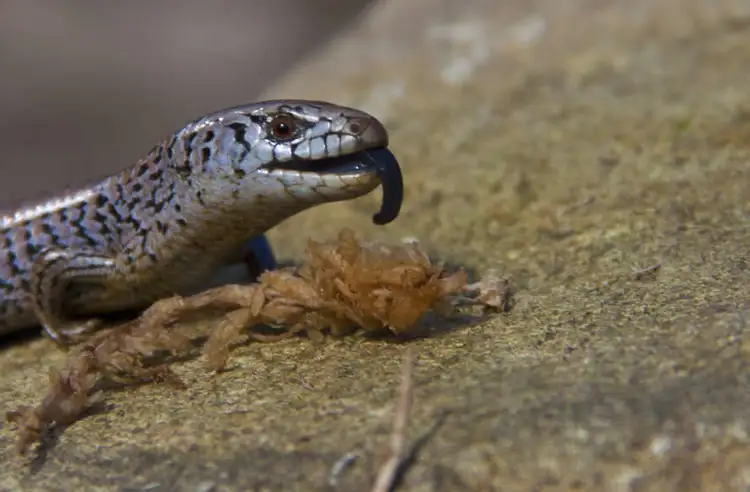
Alpine She-oak Skink
The Alpine She-oak skink is found in only a few locations in NSW and Victoria. It lives above 1500m at the top of isolated mountain habitats. Bushfires and Climate Change are the main risks, but man’s pursuit of cattle grazing in Summer and ski resort construction is an additional threat.
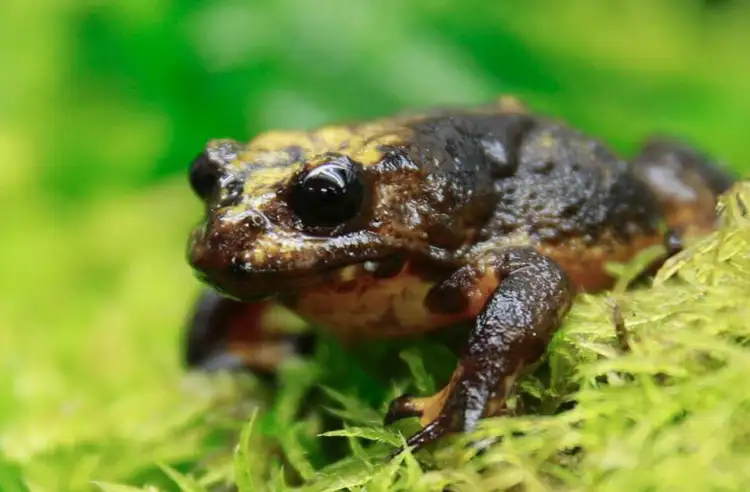
Baw Baw Frog
The Baw Baw Frog is a small brown amphibian only found in the high-altitude forests of Baw Baw Plateau, where they spend most of their time buried under leaf litter and soil. Most estimates indicate that this beautiful frog will be extinct in the next 5-10 years.
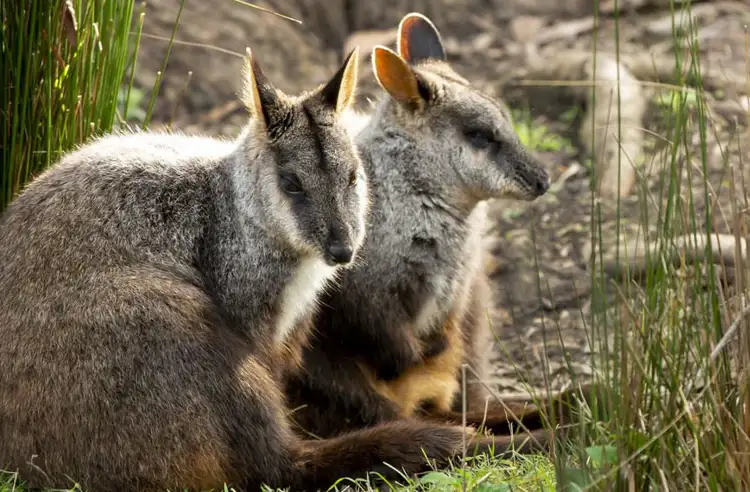
Brush-tailed Rock-wallaby
The Brush-tailed Rock-wallaby is an agile species that inhabits rugged, rocky areas and it can bound long distances. In Victoria, there are likely fewer than 60 animals remaining in the wild. Changes in habitat and the impacts of feral cats, foxes, and goats have led to the isolation of the few remaining populations.

Eastern Barred Bandicoot
These small nocturnal marsupials were once widespread across the grassy woodlands of western Victoria and South Australia. Their decline is primarily due to predation from foxes and habitat loss. In 2013, the species was declared Extinct in the Wild on mainland Australia; however, following a 30-year breeding program by Zoos Victoria, it has been reclassified as Endangered.
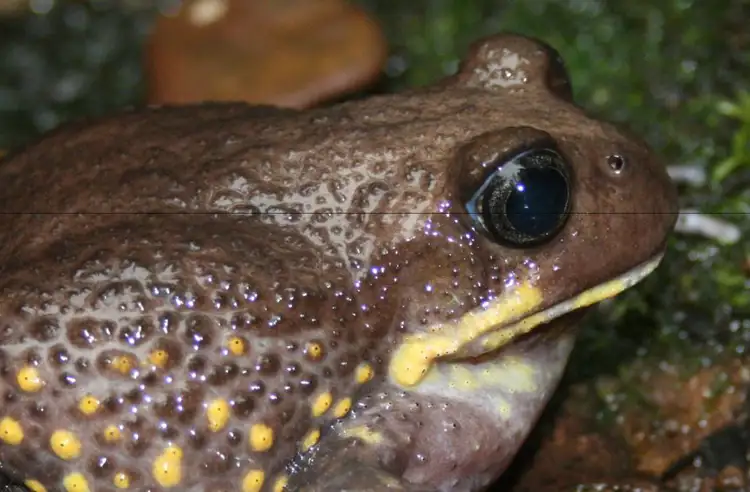
Southern Giant Burrowing Frog
The Southern Giant Burrowing Frog, owing to its subterranean habitat, is poorly understood. Its habitat has been severely impacted by logging, large-scale bushfires, and extreme weather events, including prolonged drought. It is likely that the widespread amphibian disease chytridiomycosis is affecting populations.
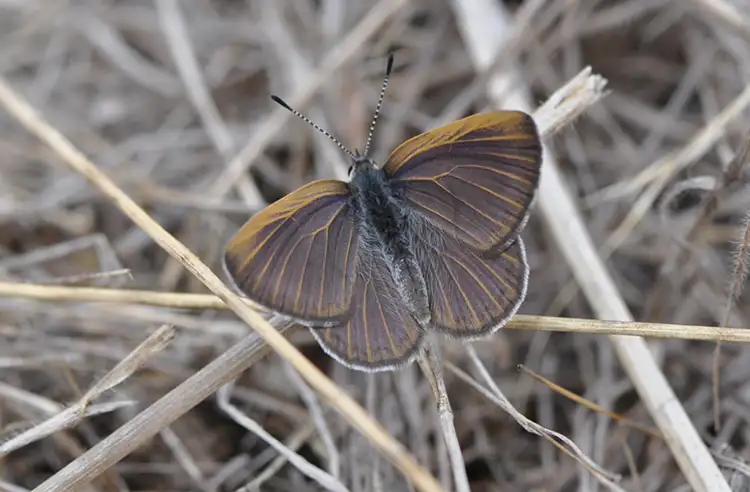
Golden-rayed Blue Butterfly
The Golden-rayed blue butterfly is only found in the Wimmera region of western Victoria. It lives in the narrow bands of remnant floodplains that border a handful of salt lakes in Victoria's west. It relies on a single plant species, Myoporum parvifolium, commonly known as Creeping Boobialla, so the species is highly endangered.
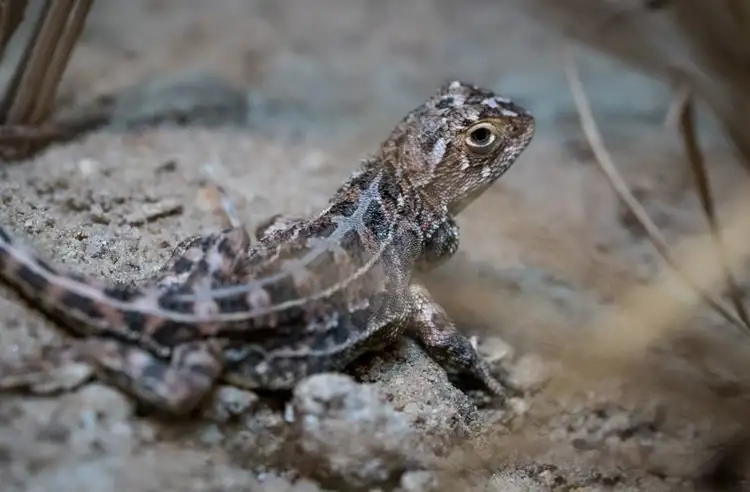
Grassland Earless Dragon
This gorgeous little dragon, which was once thought to be extinct, was rediscovered in 1923. Unlike most other lizards, this highly energetic lizard doesn't have external ear openings. It was once reasonably common in grassland habitats from Melbourne to Geelong, but it succumbed to the spread of urbanisation between Victoria’s two largest cities..
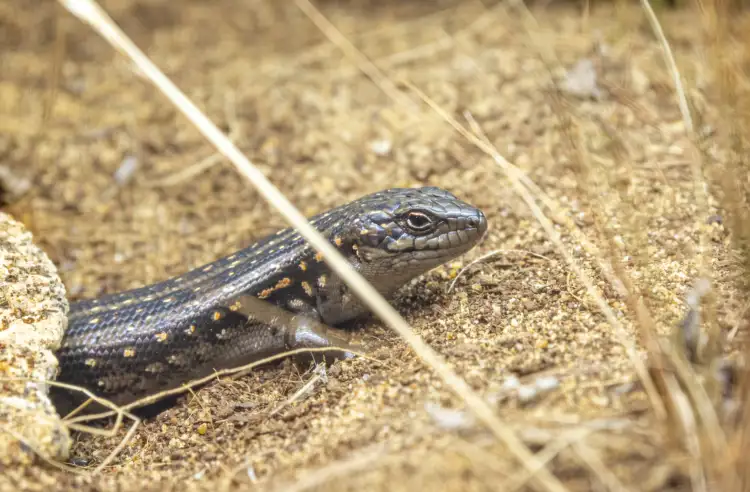
Guthega Skink
The burrowing, Guthega Skink, spends 5 months of the year under the snow. It is listed as endangered nationally, and as critically endangered in Victoria, where it is only found on the Bogong High Plains. Other populations occur in Kosciuszko National Park, NSW; however, these two populations have not been connected for millions of years.
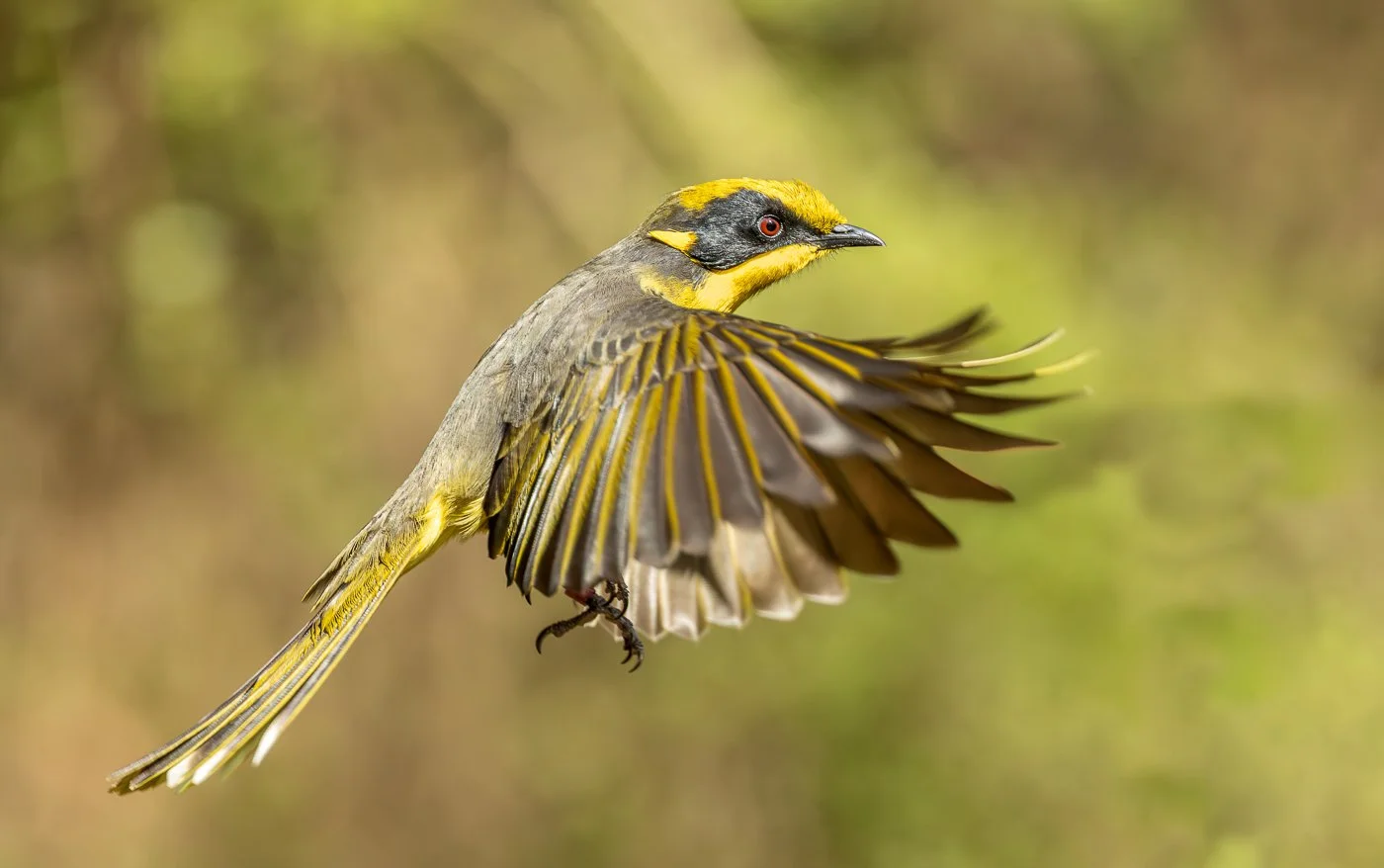
Helmeted Honeyeater
The Helmeted Honeyeater is the Victorian bird emblem and is a critically endangered species. Their current wild range is restricted to two locations with streamside swamp forest in the Yarra Valley, east of Melbourne. These beautiful little birds are at risk due to climate change, drought, bushfires, and competition from other birds.
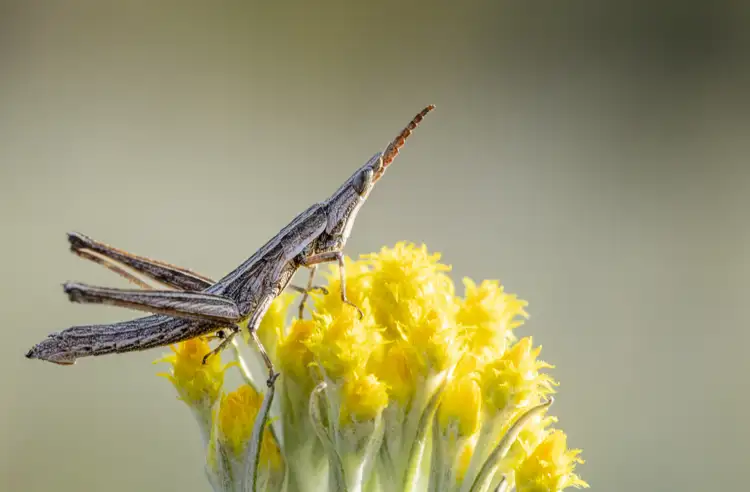
Key’s Matchstick Grasshopper
This distinctive flightless grasshopper was once thought to have been extinct in Victoria; it was rediscovered in 2018. Unable to fly between grassland sites, each small population is critically endangered.
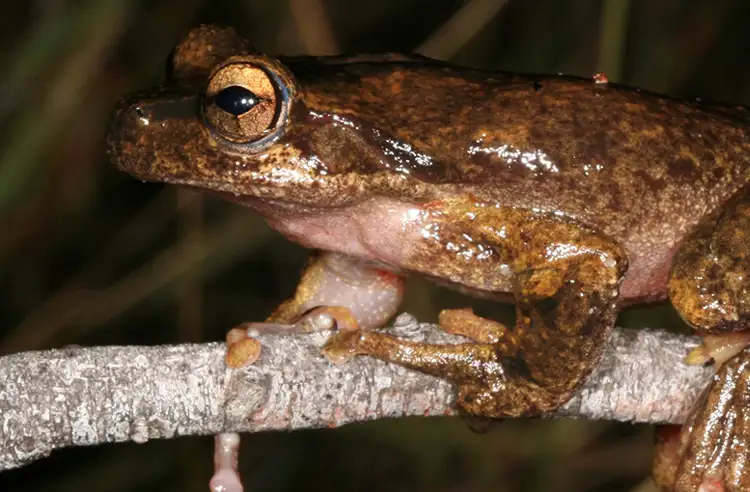
Watson’s Frog
The Watson's Frog is one of the least understood amphibian species in Victoria. Until recently, the Watson's Frog hadn’t been seen in Victoria since 1996. The few sightings that have occurred have been at heavily disturbed sites. Like all Australian frogs, the Watson's Frog is threatened by Chytridiomycosis, a skin infection caused by Chytrid fungus.
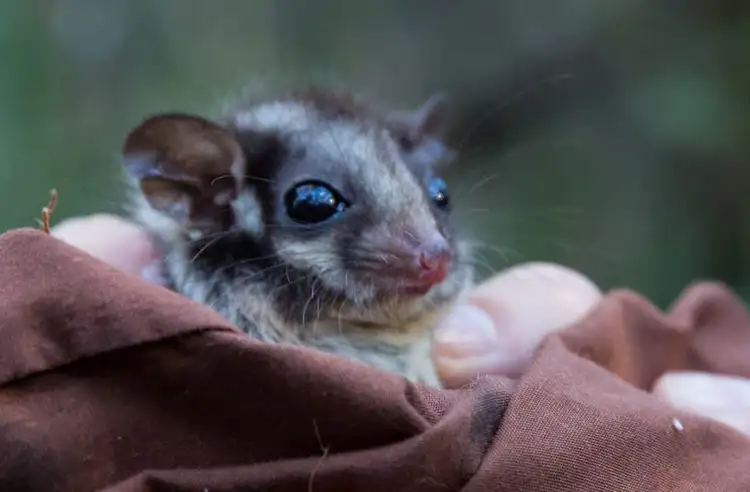
Leadbeater’s Possum
Once thought to be extinct, the Leadbeater's Possum was rediscovered in 1961. It is now the animal emblem of Victoria and is Critically Endangered. The Leadbeater’s Possum lives in forests close to Melbourne. The loss of hollow-bearing trees and bushfires is the possums' biggest threat. More than one million trees and shrubs were planted between 2014 and 2018 in the Yarra Valley.
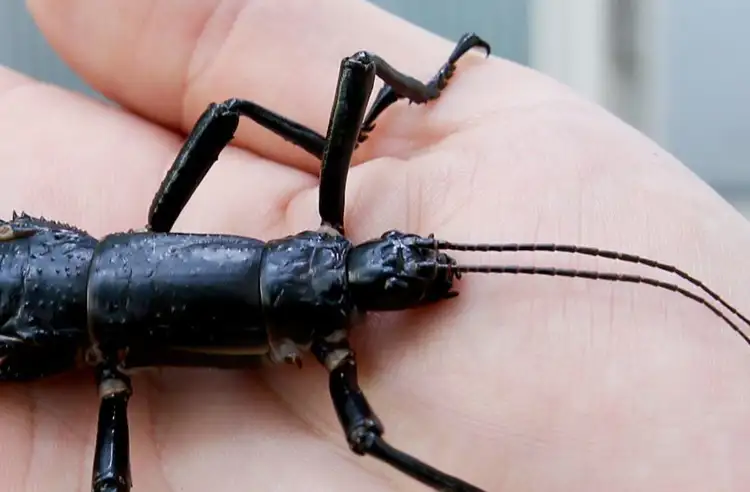
Lord Howe Island Stick Insect
Once considered extinct, the Lord Howe Island Stick Insect was rediscovered in 2001 on Ball's Pyramid, a volcanic outcrop 23 km off the coast of Lord Howe Island. It remains a critically endangered species. The insects are wingless and nocturnal, feeding only on one species of shrub. There are 20-30 individuals left in the one remaining population. Introduced Black Rats are their biggest threat.
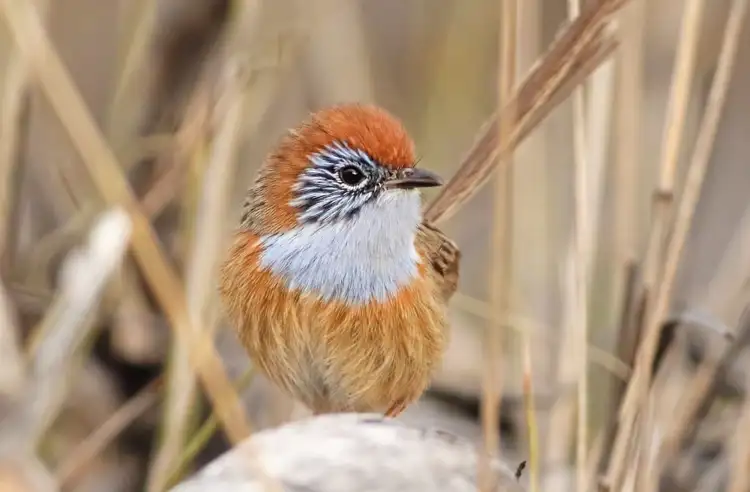
Mallee Emu-wren
Land clearance has reduced and fragmented Mallee Emu-wren habitat. It now exists in just three of Victoria’s Mallee parks. The tiny bird spends most of its time foraging for insects in dense patches of spinifex (Triodia sp.), which is a critical component of its habitat. Bushfires and droughts pose significant risks, and a single bushfire could bring the species closer to extinction.
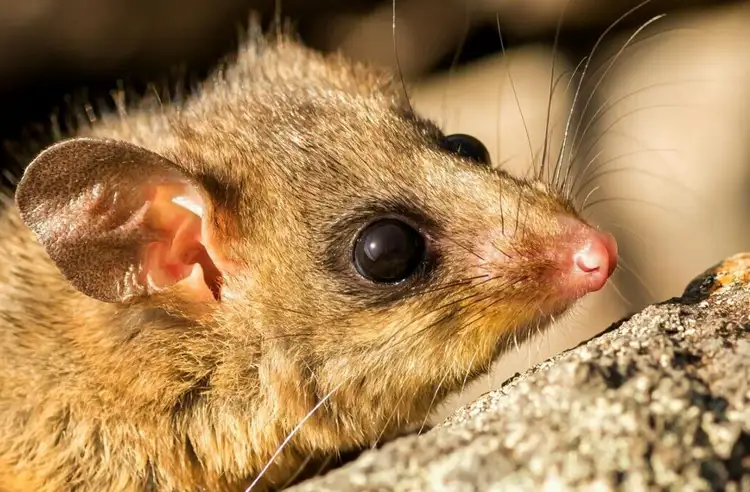
Mountain Pygmy-possum
The Mountain Pygmy-possum was thought to be extinct until they were rediscovered at Mt Hotham in the 1960s. There are fewer than 2,000 endangered Mountain Pygmy-possums left in the wild. The possum is Australia’s only hibernating marsupial; it hibernates for up to seven months under the snow, feeding on Bogong Moth migratory flights. The lack of recent migrations, feral cats and foxes are key threats to its existence.
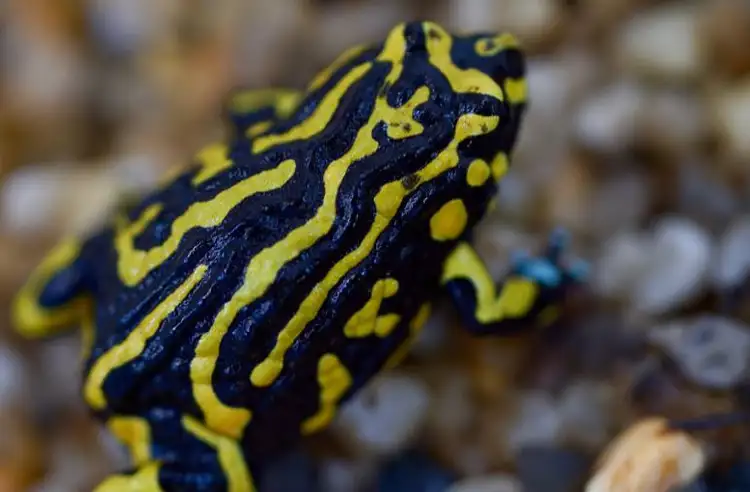
Northern Corroboree Frog
This little frog’s vivid lime green stripes separate it from the yellow-striped Southern Corroboree Frog, but they are both at risk in the wild. The Northern Corroboree Frog lives in the forests, sub-alpine woodlands and tall heathlands of the ACT’s Brindabella Ranges and the nearby Fiery Range and Bogong Mountains in NSW. Populations have declined significantly over the past few decades.
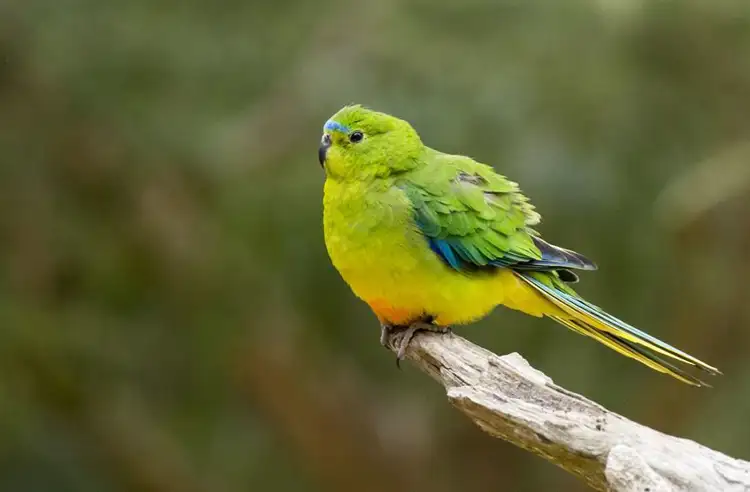
Orange-bellied Parrot
The Orange-bellied Parrot is Critically Endangered, with only a few birds remaining in the wild. This very special bird is one of only two migratory parrot species in the world. Their last remaining breeding site is in Melaleuca, on the west coast of Tasmania. Every autumn, the parrots fly to the south-east coast of mainland Australia, before making the journey back to Tasmania in spring.
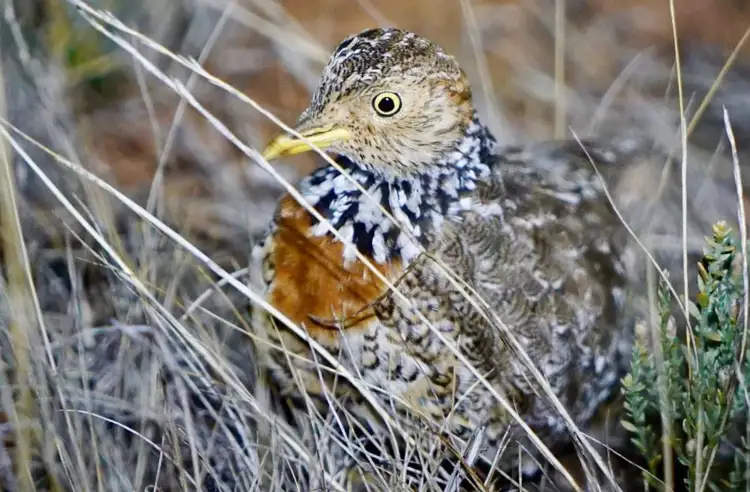
Plains-wanderer
In evolutionary terms, the Plains-wanderer is one of a kind. It is the sole member of the family Pedionomidae, and there is no bird like it in the world. Plains-wanderers are beautiful birds. Once seen from South Australia into Victoria and up to Queensland, the Plains-wanderer has undergone a dramatic decline in the last decade. It is critically endangered and faces imminent extinction.
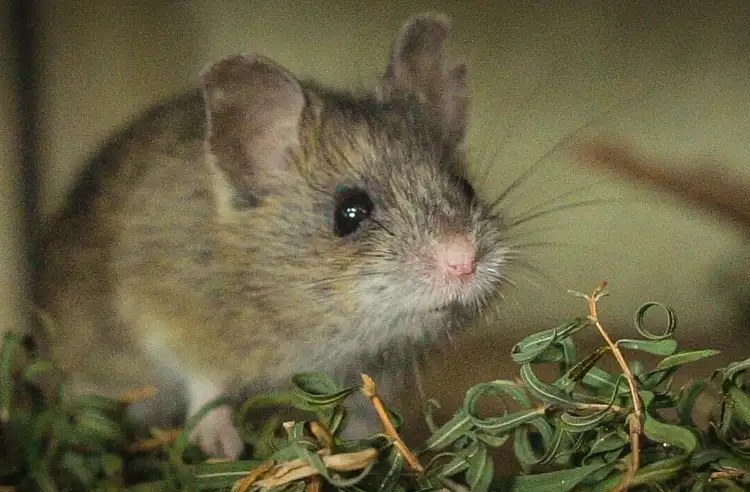
Pookila
Formerly known as the New Holland Mouse, the Pookila is classified as extinct in seven out of 12 of its known Victorian locations. You can tell it’s different from the house mouse by the lovely sandy colour, pink feet, larger ears and eyes and a distinct lack of 'mousey' odour. Unfortunately, it is now declining in numbers.
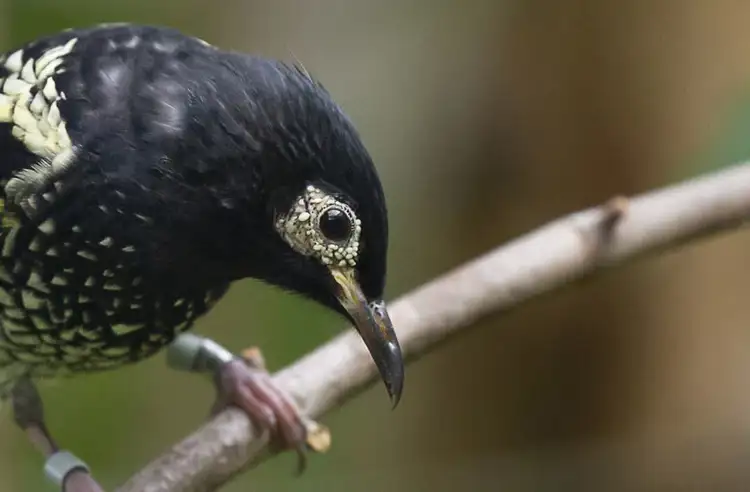
Regent Honeyeater
With less than 250 birds left in the wild, the Regent Honeyeater is on the brink of extinction. Once widespread through the woodlands of southeast Australia, this species has been in decline since the 1940s. The loss of the Box-Ironbark forests is the major reason for the diminishing number of Regent Honeyeaters. The remaining habitat is threatened by climate change, including drought and bushfires.
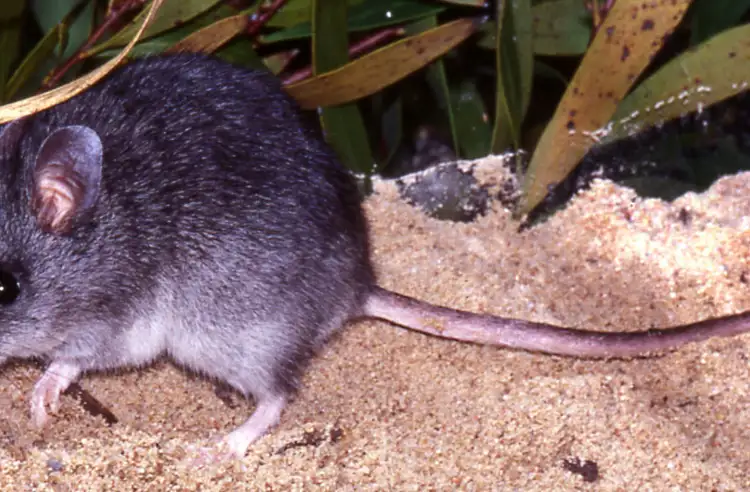
Smoky Mouse
Once common across south-eastern Australia, the Smoky Mouse is sadly edging closer towards extinction. This species is a gentle little mouse with a two-toned pink-and-grey tail and very soft blue-grey fur, which gives it its name. In Victoria, the Smoky Mouse is extinct in two out of five historically occupied locations, but can still be found in the Grampians and in fragmented patches within the Victorian High Country and Alps.
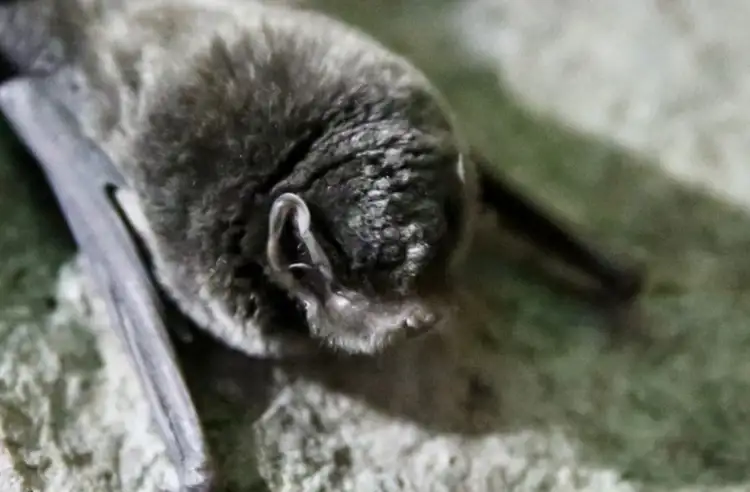
Southern Bent-wing Bat
This tiny migratory micro-bat is critically endangered. The range and abundance of the species have diminished greatly over the past three generations. The bats begin their annual migration to their maternity caves at Naracoorte in South Australia and Warrnambool in Victoria, where the female gives birth to a single pup. It is not fully understood what's behind the steady decline in their numbers.
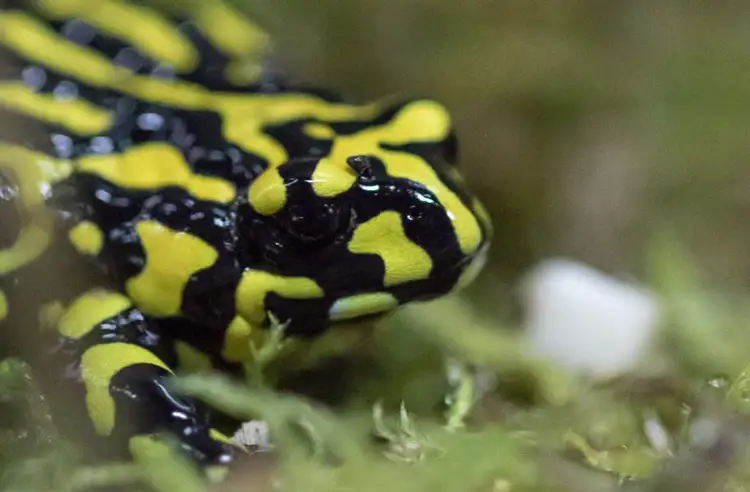
Southern Corroboree Frog
One of Australia’s best-known frogs is critically endangered. Easily recognised by their bright yellow and black stripes, probably only 50 Southern Corroboree Frogs remain in their alpine habitat, the Kosciuszko National Park. This is a big cause of frog deaths worldwide. Another issue is climate change, which is having an effect on the frog’s alpine home environment.
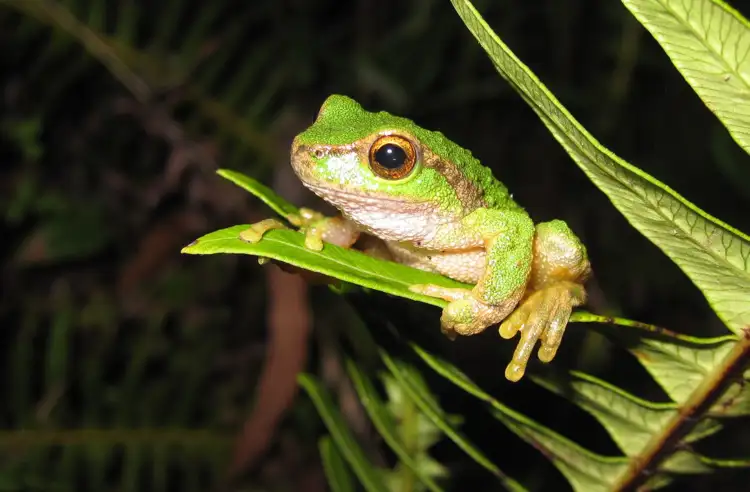
Spotted Tree Frog
Populations of the Spotted Tree Frog have declined to the point that it is now Critically Endangered. It lives in the mountain streams of north-eastern Victoria and southern New South Wales. Now it’s only found in a few rocky mountain streams. Like most Australian and international frogs, the Spotted Tree Frog is threatened by the disease, Chytridiomycosis.
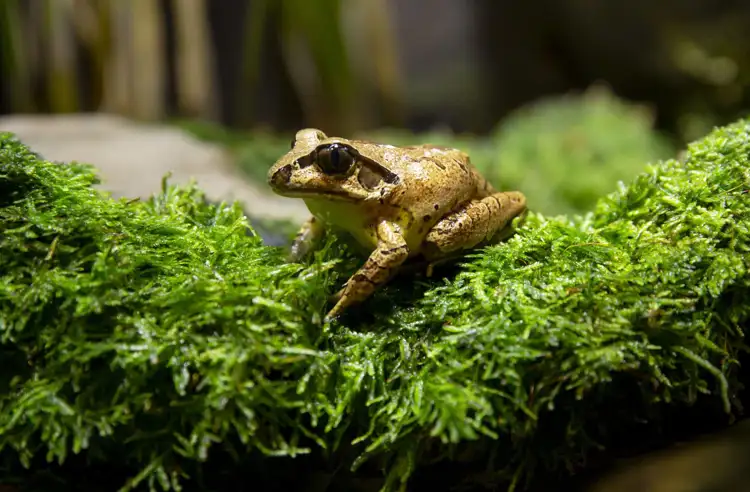
Southern Barred Frog
Populations of Southern Barred Frogs are fast disappearing. Despite several surveys for the species, the Southern Barred Frog has not been recorded in Victoria for more than 40 years. It is likely that the devastating disease chytridiomycosis, caused by a fungus on the skin of the frog, has contributed to severe declines in this species.
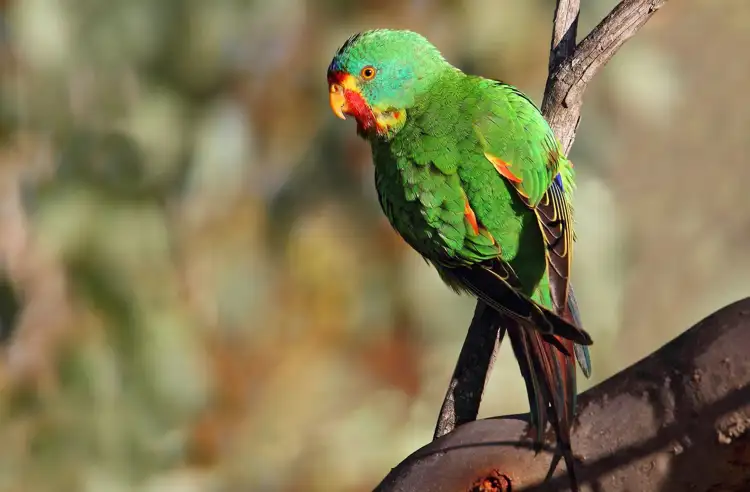
Swift Parrot
The Swift Parrot is Critically Endangered, with just 750 birds estimated to be remaining in the wild. There is a high likelihood that the parrot will become extinct over the next 20 years. Streamlined for speed, the Swift Parrot is one of the few truly migratory parrots in the world. The introduction and spread of the Sugar Glider to Tasmania have added to the pressure on birds nesting in hollows.
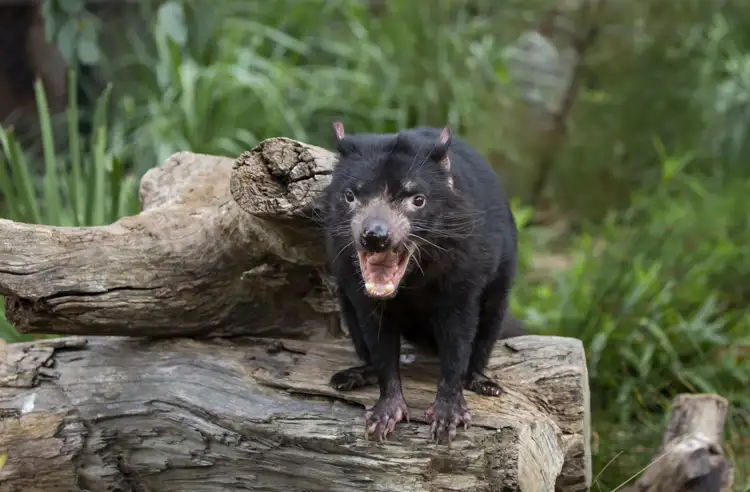
Tasmanian Devil
The Tasmanian Devil is the world’s largest living carnivorous marsupial and is now listed as endangered. It is now found only in Tasmania's wilderness. An 80 per cent reduction in sightings over the past 20 years indicates that the population is in rapid decline. Its survival is seriously threatened by Devil Facial Tumour Disease, which develops rapidly and is fatal. Road kill is another danger.
Be part of something wild
Join in the Torch for Wildlife project and help fund research, regenerate wildlife habitats, and protect endangered species for generations to come.